
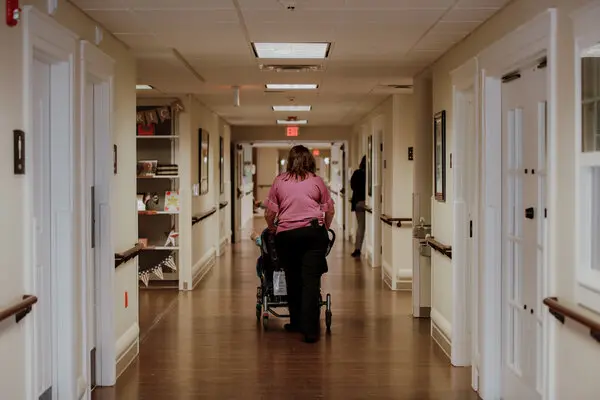
Losing a loved one in a nursing home is devastating, especially if you suspect their death could have been prevented. Unfortunately, cases of neglect and abuse in long-term care facilities are more common than most families realize. When a resident dies due to a facility’s negligence or misconduct, the family may have grounds to file a wrongful death claim under Florida law.
What Is a Wrongful Death Claim in Florida?
A wrongful death claim is a civil lawsuit filed when someone’s death results from another party’s negligence, recklessness, or intentional act. In the context of nursing homes, this might involve failures such as:
- Neglect or inadequate care, such as dehydration, malnutrition, or bedsores
- Medical errors or failure to provide timely treatment
- Physical or emotional abuse by staff or other residents
- Unsafe conditions, like poor sanitation or a lack of supervision, leading to falls
- Violation of state or federal care standards
Under Florida’s Wrongful Death Act (Florida Statutes §768.16–768.26), surviving family members can pursue compensation to hold the responsible parties accountable.
Who Can File a Nursing Home Wrongful Death Claim?
In Florida, only the personal representative of the deceased person’s estate can file the wrongful death lawsuit. This representative acts on behalf of eligible family members, which typically include:
- A surviving spouse
- Children or parents of the deceased
- Blood relatives or adoptive siblings who were dependent on the deceased for support
The personal representative is often named in the deceased’s will or appointed by the court if no will exists.
Proving Wrongful Death in a Nursing Home
To succeed in a wrongful death claim, you must show that:
- The nursing home or its staff owed a duty of care to your loved one.
- They breached that duty through negligence or intentional misconduct.
- The breach directly caused your loved one’s death.
- Surviving family members suffered damages as a result.
Evidence may include medical records, witness statements, staff logs, and expert testimony. Many families also find that contacting an experienced Florida nursing home wrongful death attorney early in the process is crucial to preserving key evidence.
Damages You May Recover
A wrongful death claim seeks both economic and non-economic damages. In Florida, these can include:
- Medical and funeral expenses related to the death
- Loss of companionship, care, and protection for surviving family members
- Mental and emotional pain and suffering (especially for surviving children or parents)
- Loss of financial support or services the deceased would have provided
In cases involving gross negligence or abuse, the court may also award punitive damages to punish the facility and deter future misconduct.
Florida’s Statute of Limitations
Time is critical in these cases. Under Florida law, families generally have two years from the date of death to file a wrongful death lawsuit. However, exceptions exist, especially when the cause of death was initially concealed or misrepresented by the facility. An attorney can help determine the exact deadline and ensure the claim is filed correctly.
Holding Nursing Homes Accountable
Nursing homes are legally required to provide a safe environment and adequate medical care for their residents. When they fail in that duty, families not only have the right to seek justice but also the opportunity to help prevent similar tragedies from happening to others.
If you’ve lost a loved one in a Florida nursing home and suspect negligence or abuse, don’t wait to take action. A knowledgeable wrongful death attorney can help investigate what happened, gather evidence, and fight for the compensation your family deserves.
Contact a Florida Personal Injury Lawyer
If you have been involved in a personal injury incident, seeking legal advice is essential to protect your rights. Our legal team has more than 40 years of experience seeking justice for accident victims. Our attorneys have sought and won millions of dollars for our injured clients.
Call 850-601-1111 to schedule a complimentary consultation with no obligations. This consultation will help you explore your legal options. Let us help you fight for fair compensation.

Jaeson continued his studies at Florida State University College of Law, graduating with a Juris Doctorate in 2011. Throughout his law school career, Jaeson regularly volunteered his time at Florida Legal Services, where he assisted with several projects aimed at advancing the rights of low-income families in Florida. Jaeson has recovered millions of dollars from individuals for his clients. For his efforts, Jaeson was inducted in 2016 into the Multi-Million Dollar Advocates Forum. At the time of his induction, he was one of the youngest attorneys in the State of Florida to be inducted.