
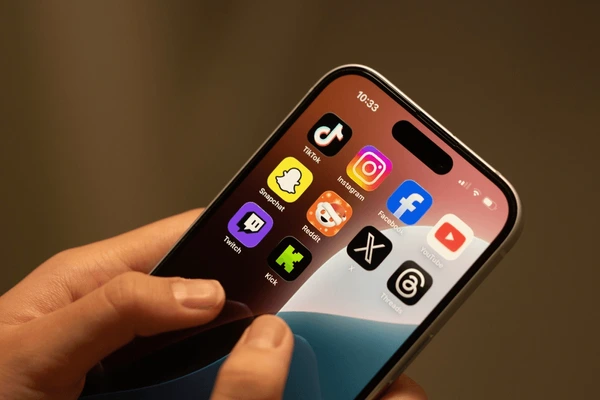
A recent jury verdict against Meta Platforms and YouTube could mark a turning point in how courts treat the impact of social media on users’ mental health. In a landmark case, a jury found that design features on these platforms contributed to a young woman’s psychological distress and awarded her $6 million in damages.
The decision is significant not only for technology companies but also for personal injury law. It signals that courts may increasingly recognize harm caused by digital products, especially when companies knowingly design features that encourage compulsive use.
For individuals and families dealing with mental health harm linked to online platforms, this ruling raises an important question: Can social media companies be held legally responsible for the damage their products cause?
The Lawsuit: Social Media Design and Mental Health Harm
The case involved a now-20-year-old plaintiff who began using social media at just six years old. Her lawsuit argued that the platforms were intentionally designed to be addictive, contributing to anxiety, depression, and body image issues.
During the trial, attorneys pointed to features such as:
- Infinite scrolling
- Algorithm-driven recommendations
- Autoplay video feeds
- Beauty filters and engagement metrics
According to the plaintiff’s legal team, these features were created to keep users, especially children, engaged for longer periods of time.
After a five-week trial, the jury found both companies negligent in the design of their platforms. The verdict ordered:
- $4.2 million in damages against Meta
- $1.8 million in damages against YouTube
The decision represents one of the first times a jury has concluded that social media platform design can cause personal injury.
Why This Case Could Change Personal Injury Law
Traditionally, personal injury claims involve physical accidents such as car crashes, slip-and-fall accidents, or defective products. However, courts have increasingly recognized psychological and emotional harm as legitimate injuries.
Legal experts say the argument used in this case resembles the strategy employed against tobacco companies decades ago. In those cases, attorneys argued that cigarette manufacturers intentionally designed addictive products while hiding the risks.
Today, plaintiffs are making similar claims about social media companies.
If more courts allow these cases to proceed, technology companies could face increasing pressure to redesign features that encourage excessive or compulsive use.
The Legal Barrier: Section 230
One of the biggest obstacles in lawsuits against social media companies is Section 230 of the Communications Decency Act. This federal law generally protects platforms from liability for content posted by users.
However, the recent case focused on product design rather than user-generated content.
By arguing that the platforms themselves were designed in a harmful way, attorneys were able to avoid some of the legal protections typically used by technology companies.
This distinction could shape future lawsuits.
Why This Matters for Families in Florida
Florida families are not immune to the issues raised in this case. According to national studies, teenagers in the United States spend an average of more than four hours per day on social media.
Mental health professionals increasingly link heavy social media use with:
- Anxiety and depression
- Sleep disruption
- Body image disorders
- Cyberbullying-related trauma
If a platform’s design contributes to these harms, families may begin exploring legal options, especially when companies allegedly ignore known risks.
Florida law already recognizes claims involving negligent product design, failure to warn, and corporate negligence. As litigation involving social media expands nationwide, similar cases could eventually appear in Florida courts.
The Growing Wave of Social Media Lawsuits
The recent verdict is only the beginning.
Thousands of lawsuits have already been filed against major social media companies by:
- Teenagers and families
- School districts
- State attorneys general
Some cases claim that companies knowingly targeted young users while failing to implement adequate safeguards.
Others argue that algorithms intentionally amplify harmful content to maximize engagement.
As these lawsuits move forward, courts will continue to define whether social media platforms can be treated like other consumer products that cause injury.
What Victims of Negligence Should Know
When companies prioritize profit over safety, people can suffer real and lasting harm.
Personal injury law exists to hold corporations accountable when their actions or negligent product designs cause injury.
If you or a loved one has experienced harm due to negligence, it is important to understand your legal rights and options. Speaking with an experienced personal injury attorney can help determine whether a company’s actions may have contributed to your injury.
As this landmark verdict shows, the law is evolving and corporations may increasingly be held responsible for the real-world consequences of their products.
Contact a Florida Personal Injury Lawyer
If you have been involved in a personal injury incident, seeking legal advice is essential to protect your rights. Our legal team has more than 40 years of experience seeking justice for accident victims. Our attorneys have sought and won millions of dollars for our injured clients.
Call 850-601-1111 to schedule a complimentary consultation with no obligations. This consultation will help you explore your legal options. Let us help you fight for fair compensation.

Chris received his Juris Doctorate from Florida State University College of Law in 2008, and he was admitted to the Florida Bar in December of 2008 followed by the State Bar of Texas in May of 2009. He has litigated, mediated, and resolved over five hundred first-party storm damage claims, and he has litigated, mediated, and successfully resolved multiple major construction defect claims with recoveries in excess of $1,800,000.00.